Understanding the WNBA Playoff Structure
The WNBA playoffs feature eight teams competing in a three-round tournament that begins with best-of-three first-round series, continues with best-of-five semifinals, and culminates in a best-of-seven Finals. The league grew to 15 teams for 2026, with the Toronto Tempo and the Portland Fire joining the 13 existing franchises, which makes the race for those eight postseason places tighter than it has ever been.
Teams qualify for the WNBA playoffs based on regular season records regardless of conference affiliation. The top eight teams across the entire league earn playoff berths and receive seeds numbered one through eight. This format ensures the best-performing teams compete for the championship, even if one conference dominates during the regular season. Teams play 44 regular season games, an increase from previous years that gives fans more opportunities to watch their favorite players compete.
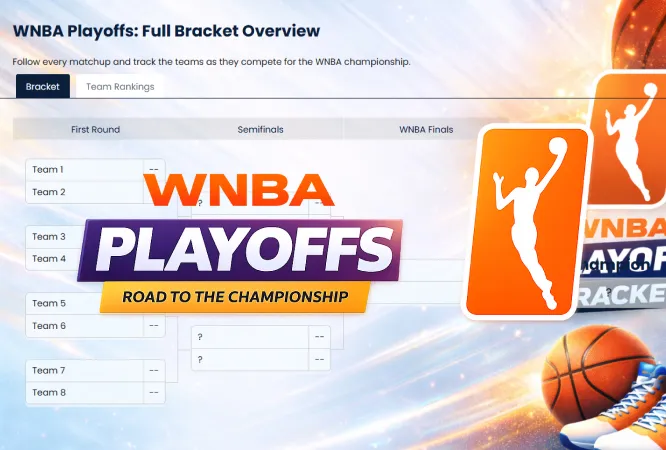
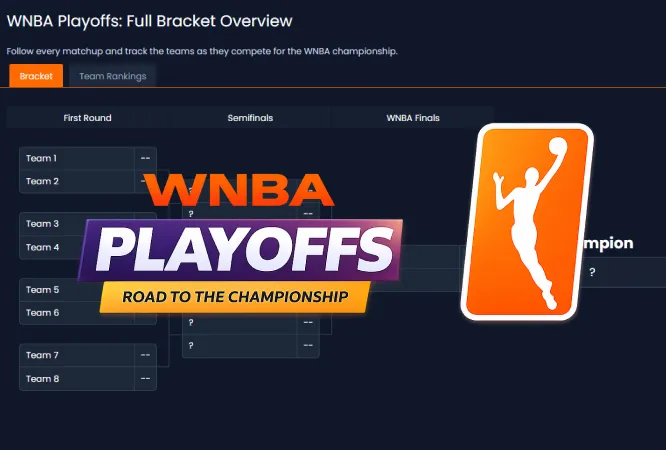
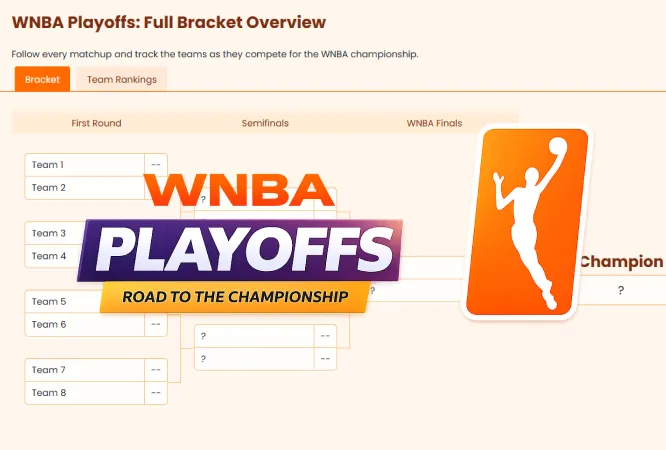
The playoff bracket follows a traditional structure where higher seeds face lower seeds in the opening round. The number one seed plays the eighth seed, the second seed faces the seventh seed, the third seed meets the sixth seed, and the fourth seed battles the fifth seed. This seeding system rewards regular season excellence while creating compelling first-round matchups that balance competitive fairness with upset potential. Unlike some playoff systems, teams are not reseeded after the first round, meaning the bracket structure remains fixed throughout the postseason.
The 2026 Playoff Schedule
The 2026 WNBA playoffs begin on Sunday, September 27. Eight teams qualify, seeded one through eight with no first-round byes, so the bracket opens with the top seed against the eighth, the second against the seventh, the third against the sixth, and the fourth against the fifth.
The First Round Format
First-round series use a 1-1-1 setup, where the higher seed hosts Games 1 and 3 and the lower seed hosts Game 2, so both teams are guaranteed a home game. This change ensures both teams get to play at least one home game in front of their fans, addressing feedback from team presidents, head coaches, and general managers about the importance of home-court opportunities.
The best-of-three format in the first round creates immediate drama and high-stakes basketball from the opening tip. Teams need to win two games to advance to the semifinals, meaning every possession matters and there's little room for slow starts or off nights. The compressed series format rewards teams that come prepared and execute their game plans effectively from game one. A single poor shooting performance or defensive breakdown can determine whether a season continues or ends.
Home-court advantage takes on special significance in these short series. The higher-seeded team hosting Games 1 and 3 puts pressure on lower seeds to steal a road victory in either of those contests or win their single home game to force a decisive Game 3. The new 1-1-1 format makes strategic adjustments crucial, as teams must adapt quickly between home and away environments. Coaches use the single home game for lower seeds as an opportunity to change momentum and take control of the series.
Semifinals and the Road to the Finals
After the first-round concludes, the four surviving teams advance to the semifinals where they compete in best-of-five series. The longer series format gives teams more opportunity to make adjustments, showcase roster depth, and recover from individual game losses. The best-of-five structure strikes a balance between giving teams chances to prove themselves and maintaining an efficient postseason timeline that keeps fan engagement high.
In the semifinals, the higher seed hosts Games 1, 2, and if necessary, Game 5, while the lower seed hosts Games 3 and 4. This 2-2-1 home-court pattern means higher seeds can clinch series victories on their home floor if they protect home court throughout. The format creates compelling storylines as lower seeds must win at least one road game to have any chance of advancing, making away victories crucial turning points in championship runs.
The semifinal matchups follow the predetermined bracket structure without reseeding. The highest remaining seed from the first round faces the lowest remaining seed, while the two middle seeds battle each other. This fixed bracket rewards regular season performance throughout the playoffs, as the top seed enjoys the most favorable potential path to the Finals. Teams that dominated during the regular season maintain their advantage, though upsets in earlier rounds can reshuffle championship expectations.
The WNBA Finals Championship Series
The 2025 WNBA Finals made history as the first best-of-seven championship series in league history, expanding from the previous best-of-five format. This change brings the WNBA Finals in line with the NBA Finals and other major professional sports championships, giving fans more games to watch and teams additional opportunities to prove championship caliber. The extended series format ensures the champion truly earned their title through sustained excellence rather than a short hot streak.
The Finals follow a 2-2-1-1-1 structure where the higher seed hosts Games 1, 2, 5, and 7, while their opponent hosts Games 3, 4, and 6. This home-court pattern mirrors the NBA Finals and creates strategic dynamics throughout the series. Teams must excel both at home and on the road to capture the championship trophy. The format means higher seeds can clinch titles on their home court in Games 5 or 7, adding to the celebratory atmosphere when championships are decided.
The Las Vegas Aces won the inaugural best-of-seven Finals in 2025, sweeping the Phoenix Mercury 4-0 to capture their third championship in four years. The sweep demonstrated the Aces' dominance and established them as a modern dynasty in women's professional basketball. Finals MVP A'ja Wilson averaged 28.5 points and 11.8 rebounds across the four-game series, showcasing the elite talent that defines WNBA championship basketball. The 2026 Finals will be the second to be decided over seven games.
The Power of Bracket Tracking
Creating a WNBA playoff bracket transforms how you experience the postseason by organizing complex information into an accessible visual format. Instead of checking multiple sources to remember series standings or upcoming matchups, your bracket provides everything at a glance. This organization helps you follow the playoff narrative as it develops across multiple weeks of competition. The visual structure makes it easy to see potential championship paths and understand how each game impacts the overall bracket.
Digital bracket makers offer features that enhance tracking efficiency beyond what paper brackets provide. Automatic updates eliminate manual score entry, while cloud storage ensures your bracket remains accessible across all devices. Whether you're watching games at home, checking scores at work, or following along on your mobile device, your WNBA playoff bracket stays current and available. These technological conveniences remove barriers to consistent engagement throughout the entire postseason run.
Interactive bracket tools let you test different scenarios before series begin. You can simulate various first-round outcomes to see how different results would affect semifinal matchups and potential Finals pairings. This exploration deepens your understanding of bracket dynamics and helps you appreciate the strategic importance of seeding. Playing with different possibilities makes you more invested in actual outcomes as the playoffs unfold.
Making Informed Bracket Predictions
Filling out your WNBA playoff bracket effectively requires researching team performance beyond just their seeding numbers. Regular season records tell part of the story, but examining late-season form reveals which teams enter the playoffs hot versus which squads limped to the finish line. Teams that win their final ten games often carry momentum into the postseason, while teams that barely secured playoff berths may struggle when competition intensifies.
Matchup analysis separates thoughtful bracket predictions from simple chalk picks that favor all higher seeds. Some teams excel against specific playing styles due to defensive strengths, offensive schemes, or roster matchups. A lower-seeded team might match up particularly well against their first-round opponent despite having a worse overall record. Considering these nuances when making your picks demonstrates basketball knowledge and increases bracket accuracy in competitions.
Player health and roster availability significantly impact playoff outcomes and should inform your bracket decisions. An injury to a star player can completely change a team's championship odds, while a key player returning from injury might make a lower seed more dangerous than their record indicates. Staying updated on injury reports and roster news helps you make informed predictions rather than relying solely on season-long statistics that may not reflect current team strength.
Competing with Friends and Communities
Bracket competitions add an extra layer of excitement to WNBA playoff watching by creating friendly rivalry among fans. Competing with friends, coworkers, or online communities to make the most accurate predictions transforms individual games into personal stakes that heighten investment in outcomes. Every upset hurts your standings or helps you climb the leaderboard, making even neutral-fan matchups feel consequential to your bracket success.
Digital bracket makers facilitate group competitions through automatic scoring and real-time leaderboard updates. You can create private competitions with custom scoring rules or join public pools with thousands of participants. These platforms handle all administrative work, letting you focus on basketball rather than manually calculating points and tracking standings. The effortless nature of modern bracket competitions encourages more fans to participate and enjoy the social aspects of playoff tracking.
Discussing bracket choices with other fans enriches your understanding of the league and individual teams. When friends make different predictions, explaining your reasoning sparks conversations about playing styles, coaching strategies, and player matchups. These discussions introduce you to perspectives you hadn't considered and might even change your mind about certain series outcomes. The social element of bracket competitions connects you to broader WNBA fan communities and deepens appreciation for the sport.
Supporting the Growth of Women's Basketball
Following the WNBA playoffs with a bracket represents meaningful support for women's professional basketball at a pivotal moment in the sport's growth. Commissioner Cathy Engelbert noted that incredible demand for WNBA basketball drove the decision to expand to 44 regular season games and implement the best-of-seven Finals format. When you track games, engage with playoff content, and discuss matchups, you contribute to the growing audience that validates continued investment in women's professional sports.
Creating and sharing WNBA playoff brackets amplifies visibility for the league among your social networks. Friends and family who see your bracket might become curious about women's basketball and start following along themselves. This organic growth through fan enthusiasm helps expand the sport's reach beyond traditional audiences. Every person who downloads a bracket maker or joins a playoff pool represents potential new viewership that strengthens the league's position in the professional sports landscape.
Active participation in bracket competitions challenges outdated narratives about women's sports deserving less attention or analysis than men's leagues. When you treat WNBA bracket predictions with the same seriousness you apply to other sports, analyze matchups thoughtfully, and celebrate great playoff performances, you demonstrate through actions that women's basketball merits equal respect. This cultural shift happens one fan at a time through sustained engagement with the sport.
Maximizing Your Bracket Experience
Getting the most from your WNBA playoff bracket requires watching games actively rather than just checking final scores afterward. Seeing how teams execute strategies under pressure, make halftime adjustments, and respond to adversity helps you understand which predictions succeeded and why others missed the mark. Active viewing makes bracket tracking more rewarding because you develop deeper knowledge of teams and players that informs future predictions.
Update your bracket immediately after each series concludes to maintain engagement momentum throughout the playoffs. Making updates while games remain fresh in memory helps you process results and think ahead to upcoming matchups. This practice keeps you connected to the playoff narrative as it develops across multiple weeks. Immediate updates also ensure accuracy if you're competing in group pools where brackets need to reflect current results.
Consider creating multiple bracket versions to explore different prediction approaches and increase accuracy chances in competitions. One bracket might conservatively favor all higher seeds, while another predicts specific upsets based on matchup analysis or gut feelings. Multiple brackets let you test various theories about playoff outcomes without putting all faith in a single set of predictions. This strategy also makes tracking more engaging by giving you different rooting interests as series develop.
Digital Tools Transform Playoff Following
Modern WNBA playoff bracket makers offer features that fundamentally change how fans experience the postseason. Cloud-based platforms ensure your brackets remain accessible across all devices, so whether you're at home, at work, or watching games at a sports bar, your predictions and standings stay at your fingertips. This cross-device accessibility supports consistent engagement throughout the playoff run regardless of where you watch games or check scores.
Customization options in digital bracket tools let you personalize the visual presentation to match your preferences. You can choose team colors, add logos, adjust layouts, and include prediction notes that explain your reasoning for specific picks. These personalized touches transform generic bracket templates into unique tracking tools that feel distinctly yours. Customization increases psychological investment in your bracket and makes the tracking experience more enjoyable.
Social features integrated into bracket platforms connect you with the broader WNBA fan community. Seeing aggregate prediction data shows you how many other fans picked each team, revealing consensus favorites versus potential upset opportunities. Public leaderboards let you compare your bracket accuracy against thousands of participants, creating a sense of competition beyond just your immediate friend group. These social elements make individual bracket tracking feel like participation in a massive, shared fan experience.
Start Your WNBA Playoff Bracket Today
The WNBA playoff bracket provides an essential tool for following women's professional basketball at the highest level as the sport experiences unprecedented growth and fan engagement. Understanding the playoff format including the best-of-three first round with its new 1-1-1 home-court pattern, the best-of-five semifinals, and the historic best-of-seven Finals helps you create informed predictions and track results effectively throughout the postseason.
Digital bracket makers empower you to customize your tracking experience, compete with friends and communities, and connect with the passionate fan base supporting elite women's basketball. The 2025 season brought the first best-of-seven Finals, and 2026 has taken the league to 15 teams, both signs of how quickly the sport is growing.
Start building your WNBA playoff bracket now and join millions of fans discovering that following women's professional basketball delivers championship drama, incredible athleticism, and meaningful connection to a sport shaping the future of professional athletics. Your bracket represents more than just predictions, it's participation in the movement elevating women's sports to their rightful place in the American sports landscape.