Understanding the Double-Elimination Structure
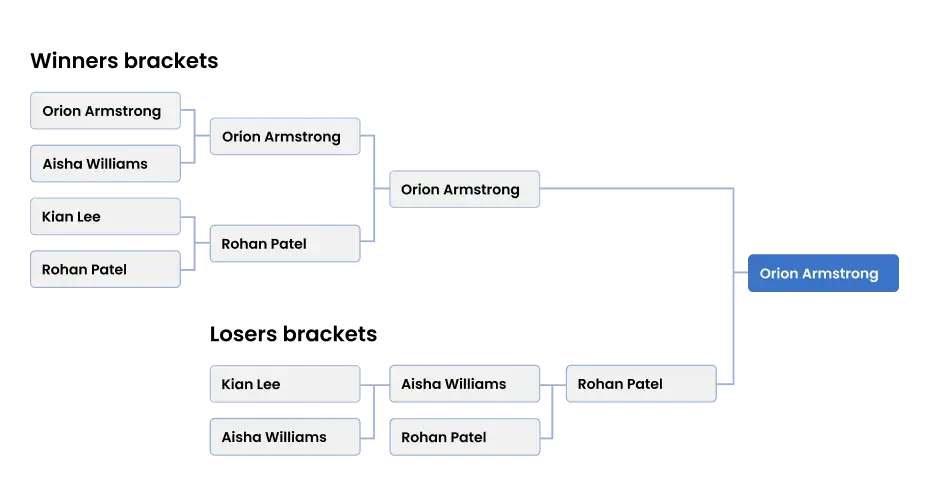
The mathematical elegance of double-elimination becomes clear when you examine the bracket architecture. For a tournament with n participants, you'll need between 2n-2 and 2n-1 total matches, depending on whether the grand finals requires a bracket reset. A 16-team double-elimination tournament requires 30 or 31 matches compared to just 15 in single-elimination. This nearly 2:1 ratio holds consistent regardless of tournament size, making it crucial to assess whether your schedule and resources can accommodate the extended format.
The losers bracket follows a unique structural pattern that alternates between matches of teams coming from the winners bracket and teams already in the losers bracket. When competitors drop from the winners bracket, they're strategically seeded into the losers bracket to avoid immediate rematches with teams they've already faced. This creates an intricate web where the losers bracket constantly feeds on fresh blood from above while simultaneously eliminating its own participants. Understanding this flow is essential when creating a double-elimination bracket, as improper losers bracket seeding can create unfair immediate rematches or bracket position advantages.
Seeding in double-elimination follows the same fundamental principles as single-elimination, with the highest seed facing the lowest seed in round one. However, the strategic implications differ significantly. In single-elimination, a poor seeding decision might unfairly eliminate a strong team early. In double-elimination, that team gets a second chance through the losers bracket. This doesn't mean seeding matters less; rather, it changes what seeding accomplishes. Good seeding in double-elimination ensures the strongest teams reach the grand finals through different paths, creating the most competitive possible championship match.
The Grand Finals Controversy and Solutions
The grand finals format sparks ongoing debate in tournament organization communities. The traditional double-elimination philosophy holds that both finalists should have two losses before a champion is crowned. Since the winners bracket champion has zero losses entering the grand finals, the losers bracket champion must beat them twice, effectively playing a best-of-two series. This "bracket reset" scenario creates dramatic tension but can also lead to anticlimactic situations where the same two teams play back-to-back matches.
Some tournament organizers modify the grand finals to avoid bracket resets. Options include awarding the winners bracket champion a one-game advantage in a longer series (making it effectively best-of-five where they start 1-0), giving them side selection or map pick advantages in games with such mechanics, or simply running a single grand finals match with the understanding that the format isn't purely double-elimination. Each approach has supporters and detractors, and the choice often depends on your competitive community's preferences and time constraints.
Professional esports events have experimented extensively with grand finals formats. Some major tournaments extend the grand finals to a best-of-seven series to ensure the championship match feels substantial regardless of bracket reset. Others schedule grand finals on a separate day, giving both teams equal rest and making a potential double series feel like distinct events. When using a bracket generator for double-elimination, clarify your grand finals rules upfront to avoid confusion and ensure participants know what they're competing toward.
Practical Implementation Strategies
Venue and scheduling logistics become significantly more complex with double-elimination. Unlike single-elimination where you can predict exact match counts per round, double-elimination requires flexible scheduling as the losers bracket's pace depends on winners bracket results. Smart organizers build buffer time into their schedules and maintain multiple playing areas to run winners and losers bracket matches simultaneously. This parallel processing is essential; running brackets sequentially would make tournaments prohibitively long.
Technology integration is almost essential for smooth double-elimination tournament management. Manual bracket updates become error-prone when juggling two interconnected brackets. Digital tournament software automatically advances winners, drops losers to the appropriate losers bracket position, and prevents impossible matchup errors. Even for smaller events, using online bracket templates significantly reduces administrative burden and helps participants track their status across both brackets in real-time.
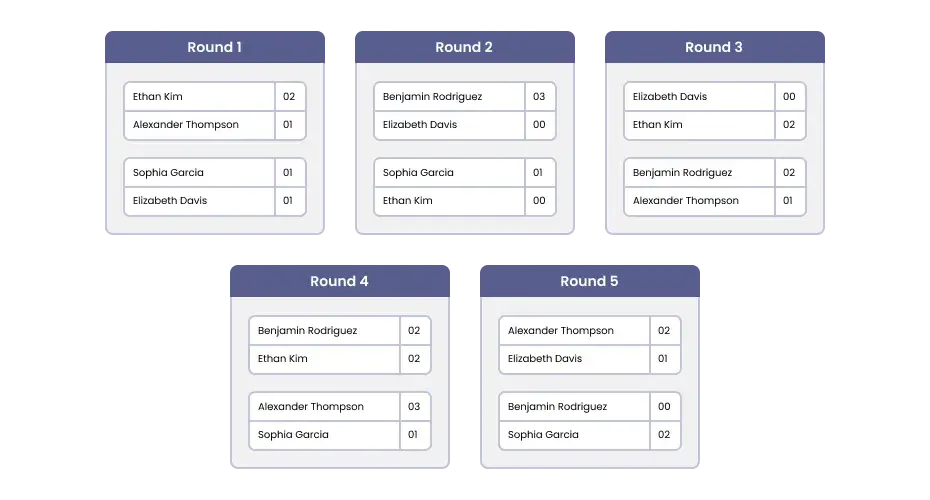
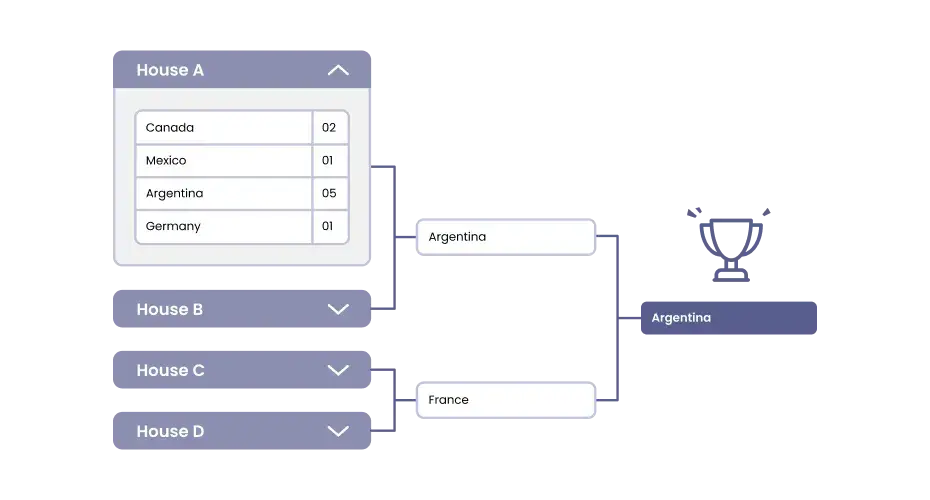
Pool play integration offers an excellent hybrid approach for larger tournaments. Running preliminary round-robin pools followed by a double-elimination bracket for top performers combines the comprehensive assessment of round-robin with the excitement of bracket play. This format is popular in volleyball, cornhole, and many recreational sports tournaments. Participants get multiple guaranteed matches in pool play, then the competitive intensity increases in the elimination rounds, all while maintaining the second-chance philosophy that makes double-elimination attractive.
Strategic Considerations for Competitors
Competing in double-elimination requires different strategic thinking than single-elimination. Teams must manage resources and energy across potentially many more matches. A team that narrowly wins in the winners bracket while their opponent drops to losers may later face that same team again in finals after the opponent has had more matches to refine their strategy and build momentum. Some competitors intentionally experiment with risky strategies early, knowing a loss isn't fatal and the information gained might prove valuable later.
The psychological dimension of losers bracket runs creates unique drama. Teams that drop early and battle through the entire losers bracket often develop a dangerous momentum and mental toughness. They've faced elimination repeatedly and overcome it, while their grand finals opponent from the winners bracket may not have experienced that pressure. Conversely, winners bracket teams enjoy the mental advantage of not having tasted defeat and the practical advantage of playing fewer total matches, conserving energy for the championship.
Variations and Alternative Formats
Modified double-elimination addresses some traditional format weaknesses. Some tournaments eliminate the bracket reset entirely, accepting that the format isn't perfectly "double elimination" but valuing the cleaner grand finals. Others use a "double elimination until semifinals" approach where the final four compete in a true single-elimination bracket, reducing total matches while maintaining second chances through most of the tournament.
The "GSL format," popular in StarCraft and other esports, combines group play with modified double-elimination. Four participants compete in a group where winners bracket and losers bracket finals determine who advances. This compact format delivers double-elimination's benefits in a smaller, more time-efficient package, making it ideal for round-robin pool play leading into a bracket stage.
Comparing double-elimination to other formats reveals clear trade-offs. Round-robin provides the most complete competitive data but becomes impractical with large participant counts (a 16-team round-robin requires 120 matches). Swiss format offers a middle ground with logarithmic match requirements but lacks elimination drama. Double-elimination sits in a sweet spot: more comprehensive than single-elimination, more exciting than round-robin, and manageable for tournaments up to 32-64 participants when properly scheduled.