Understanding Voting Bracket Mechanics and Structure
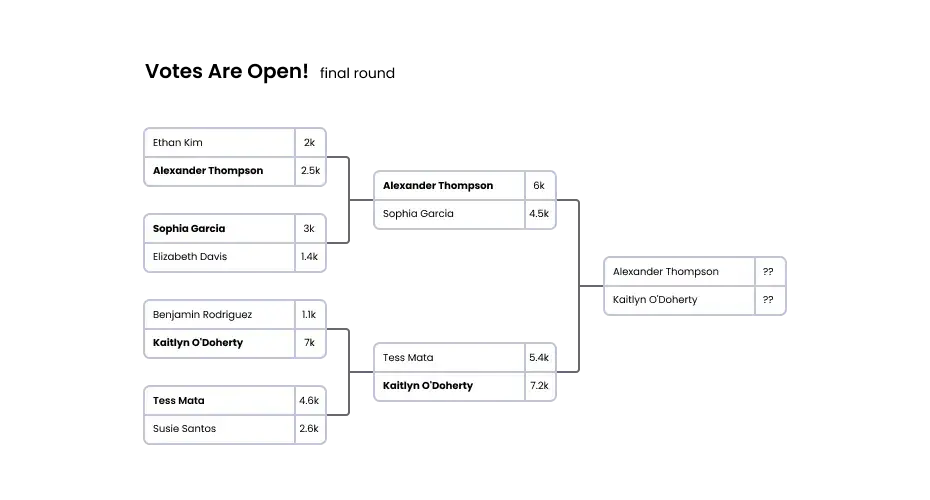
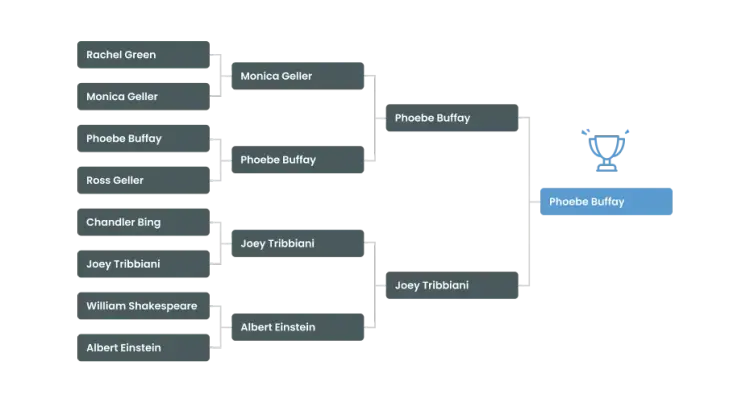
Single-elimination remains the dominant voting bracket structure because it creates clear head-to-head choices and builds momentum through progressive rounds. With 16 options, you need four rounds (Round of 16, Quarterfinals, Semifinals, Finals) with 15 total matchups. Each round typically runs for a set period, anywhere from a few hours for fast-paced social media brackets to several days for major campaigns. The time allocation depends on your audience size, expected participation levels, and the importance of giving all options fair exposure.
Seeding in voting brackets significantly impacts outcomes and perceived fairness. Random matchups might create an exciting first-round pairing of two favorites, but it eliminates one prematurely and potentially produces a less exciting final. Strategic seeding, similar to sports tournaments, places the most popular or highest-quality options in positions where they won't meet until later rounds. This requires pre-tournament assessment through preliminary polls, expert rankings, or community nominations to estimate relative popularity before bracket construction.
Voting periods and announcement timing require careful planning. Short voting windows (1-4 hours) create urgency and concentrated engagement but may exclude audiences in different time zones or those unable to check frequently. Longer windows (24-48 hours) ensure everyone has opportunity to participate but can reduce urgency and allow vote manipulation. Most successful voting brackets use 12-24 hour voting periods per round, announced at consistent times (like noon daily) so audiences develop checking routines. When creating a voting bracket, consider your audience's habits and time zones when scheduling votes.
Preventing Vote Manipulation and Ensuring Fairness
Vote manipulation poses the primary challenge to voting bracket integrity. Bad actors can use VPNs, multiple devices, incognito browsing, or bot networks to cast hundreds of fraudulent votes, skewing results away from genuine audience preferences. Social media platforms' built-in poll features offer some protection through account-based voting, though determined manipulators can create fake accounts. Third-party voting platforms provide more robust security through IP tracking, device fingerprinting, and suspicious pattern detection.
Account-based voting requires participants to log in through social media accounts, email verification, or platform-specific registration before voting. This creates friction that reduces casual participation but dramatically decreases manipulation potential. The trade-off between accessibility and integrity depends on your bracket's stakes. A lighthearted "favorite pizza topping" bracket might accept anonymous voting and some manipulation, while a "name our new product" bracket with business implications demands rigorous verification.
Monitoring voting patterns reveals potential manipulation. Sudden vote surges from a single source, identical vote timing patterns, suspicious geographic clustering, or votes occurring faster than humanly possible all indicate fraudulent activity. Establishing baseline voting rates for your audience helps identify anomalies. Some organizers reserve the right to invalidate suspicious votes or investigate irregularities, though this requires clear communication upfront to maintain trust. Transparency about voting rules, security measures, and anomaly handling builds credibility with your audience.
Strategic Seeding and Bracket Construction
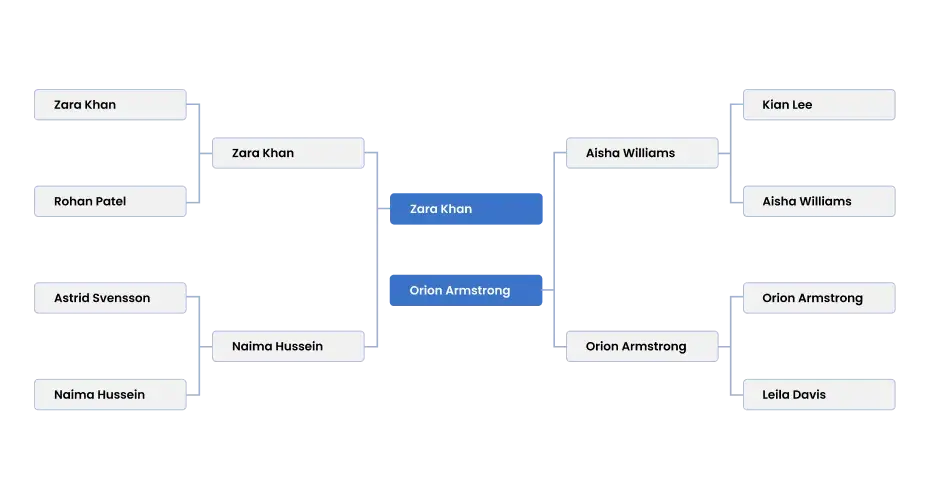
Pre-tournament seeding transforms random voting into strategic competition. Conduct preliminary polls, analyze past engagement data, or use expert panels to rank options before constructing your bracket. In a 16-option tournament, seed 1 vs 16, 2 vs 15, 3 vs 14, ensuring top options occupy different bracket regions and won't meet until later rounds. This standard approach creates theoretically competitive early matchups while protecting favorites from premature elimination.
Deliberate "upset potential" seeding creates exciting first-round matchups even if it violates pure competitive seeding. Perhaps you pair two popular options early intentionally because their matchup will generate discussion and engagement, accepting that one strong option will be eliminated. Or you identify polarizing options that will drive debate and place them against moderate choices to maximize comment activity. These strategic decisions depend on whether you prioritize determining the "true winner" or maximizing engagement throughout the tournament.
Regional or categorical grouping offers alternative seeding approaches. In a "best local restaurant" bracket, you might seed by cuisine type or neighborhood, ensuring diverse finalists rather than multiple Italian restaurants in the finals. For character brackets, grouping by show, movie, or series prevents same-source characters from dominating. This categorical seeding sometimes conflicts with popularity-based seeding, forcing trade-offs between competitive balance and content diversity. Using a voting bracket generator helps visualize these different seeding scenarios before committing to a structure.
Maximizing Engagement Throughout the Tournament
Content creation around each matchup sustains engagement across rounds. Don't just post the bracket and ask for votes. Create dedicated posts for each matchup highlighting both options, their strengths, memorable moments, or fun facts that inform voting. Visual content comparing the matchup generates more engagement than text-only posts. Video content, images, or graphics that showcase both options give voters context and create shareable content that extends reach beyond your immediate audience.
Strategic timing keeps audiences returning without overwhelming them. Daily matchups at consistent times (like noon EST) train your audience to check regularly. Posting results from the previous round immediately before announcing the next round creates a narrative flow: "Yesterday, Pizza beat Tacos 62-38. Today's matchup: Burgers vs Sandwiches." This rhythm maintains momentum. Avoid posting all matchups simultaneously as it fragments attention and makes individual votes feel less significant.
Encouraging advocacy transforms voters into participants who actively campaign for their favorites. When people share why they voted for an option, tag friends who might agree, or create memes supporting their choice, they deepen their investment and expand your reach. Prompting this behavior through questions like "Why did you vote for X?" or "Tag someone who loves Y" turns passive voting into active community building. Featuring creative user responses in your content rewards participation and encourages others to contribute.
Platform Selection for Voting Brackets
Social media platform polls offer built-in functionality with established audiences. Twitter/X polls support up to four options with automatic vote counting and results visualization, perfect for head-to-head matchups. Instagram Stories polls create quick, mobile-friendly voting experiences. Facebook polls reach broader demographics but have lower engagement rates than newer platforms. TikTok's interactive features enable creative bracket presentations with comment-based voting or duet responses. Each platform's strengths and limitations influence bracket design and execution.
Dedicated voting platforms provide more control and features than social media native tools. These services offer unlimited voting periods, detailed analytics, anti-manipulation tools, custom branding, and multi-round tournament management. However, they require directing your audience off-platform, introducing friction that reduces participation. This trade-off matters most for high-stakes brackets where security and control justify the reduced accessibility. For casual engagement, staying within your existing platform maximizes participation.
Hybrid approaches combine platform strengths. Run the tournament on social media for visibility and engagement, but link to a secure external voting platform for actual vote casting. This balances reach with security, though it requires clear communication and strong calls-to-action to drive traffic between platforms. Another hybrid option posts brackets on social media while collecting votes through comments or specific hashtags, maintaining on-platform engagement while sacrificing some vote-counting automation.
Popular Voting Bracket Themes and Applications
Food and restaurant voting brackets generate passionate participation because everyone has opinions about favorite foods. "Best pizza topping," "local restaurant tournament," "fast food bracket," or "regional cuisine showdown" all tap into strong preferences and loyalty. These brackets work particularly well for food blogs, restaurant marketing, or local community pages. The subjective nature means there are no objectively wrong answers, reducing stakes while maintaining engagement.
Entertainment and pop culture brackets dominate fan communities. "Best TV show character," "greatest movie of the decade," "top video game franchise," or "favorite album" brackets let fans advocate for their preferences. Nostalgia brackets like "best 90s cartoon" or "most iconic movie quote" drive high engagement from specific demographics. These brackets often generate intense debate because fans have deep emotional connections to entertainment properties.
Product and brand brackets serve marketing objectives. "Vote for our next flavor," "choose our new logo," or "favorite product feature" brackets create customer involvement in business decisions while generating engagement data about preferences. Even if the winning option was already planned, conducting a voting bracket creates ownership and anticipation. Educational institutions use "vote for our new mascot" or "name our building" brackets to involve students and alumni in decisions affecting community identity.
Analyzing Results and Leveraging Data
Voting patterns reveal audience preferences beyond just tournament winners. Which matchups generated the most votes? Did certain topics drive higher engagement? Were voting percentages consistently lopsided or competitive? This data informs future content strategy, product development, or community programming. A restaurant discovering their burger won by huge margins while pasta barely advanced might reconsider menu emphasis or marketing focus.
Demographic analysis adds depth when voting platforms collect user data. Age group voting patterns, geographic preferences, or engagement time analysis help understand audience segments. Perhaps younger voters preferred one option while older demographics chose another, revealing generational divides in taste. This segmentation guides targeted marketing or content customization for different audience portions.
Sentiment analysis of comments and shares surrounding votes provides qualitative context to quantitative results. Why did people vote certain ways? What arguments swayed undecided voters? Which matchups generated controversy or consensus? Reading through discussion threads identifies emotional connections, unexpected reasoning, and community values that pure vote counts don't capture. This deeper understanding transforms voting brackets from simple polls into research tools that reveal audience psychology.
Best Practices for Running Voting Brackets
Clear communication prevents confusion and complaints. Announce the full bracket structure upfront so participants know the complete field and potential matchups. Explain voting rules, periods, and how winners are determined. Specify whether you'll intervene in suspicious voting or if raw vote counts determine everything. State any tiebreaker procedures. This transparency builds trust and reduces post-result disputes about fairness or process.
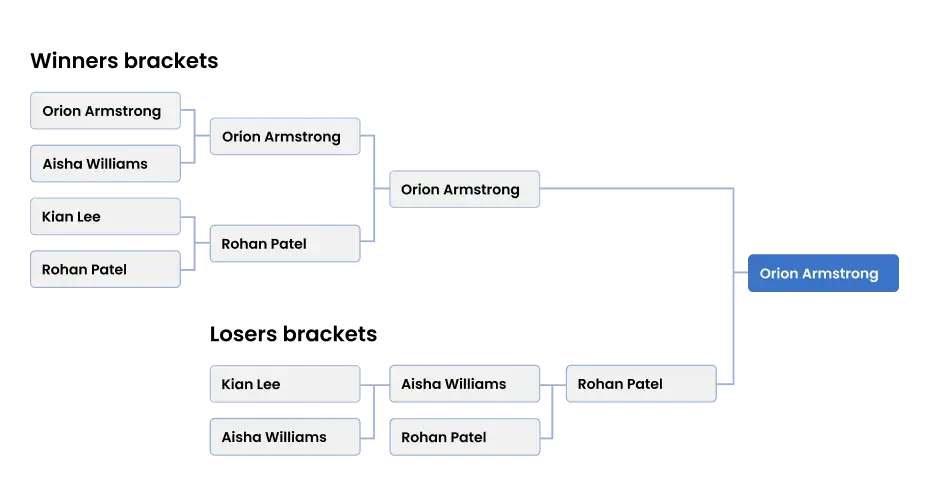
Celebrate all participants, not just winners. When options are eliminated, create content honoring their performance, highlighting why voters chose them, or featuring their best moments. This acknowledgment maintains goodwill from supporters of eliminated options, keeping them engaged even after their favorite loses. Avoid negative framing like "X crushed Y" in favor of positive language celebrating both options' strengths.
Follow through on results meaningfully. If the bracket promised the winner gets featured, added to a menu, or receives recognition, deliver on that commitment quickly. Share final results comprehensively, thank participants for voting, and provide context about total votes, participation trends, and notable moments. Consider running "consolation brackets" or "runner-up recognition" to extend engagement beyond determining a single winner. When using printable voting bracket templates for in-person events, display completed brackets prominently and preserve them as community artifacts.