Best Practices and Implementation Strategies
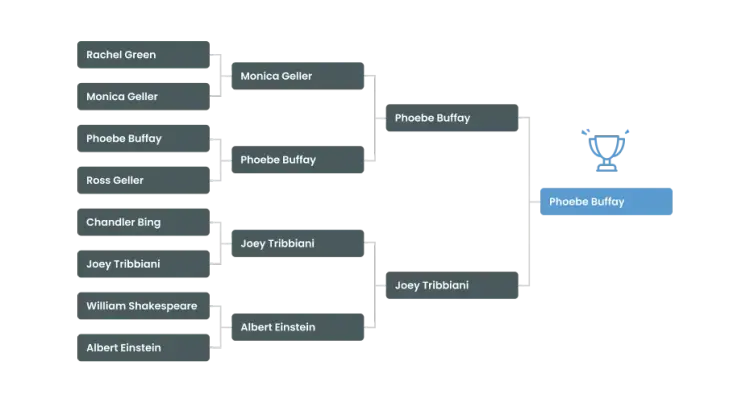
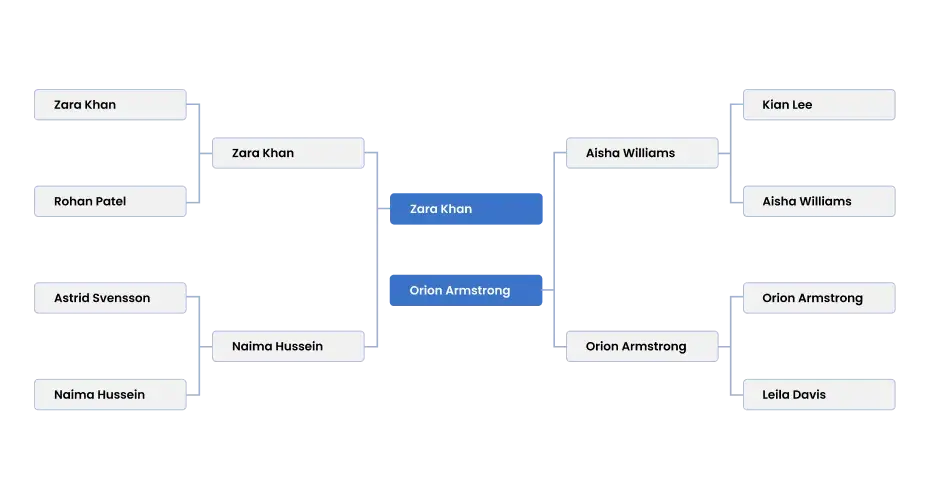
Proper seeding is the cornerstone of a fair and competitive single-elimination tournament. The standard seeding method pairs the highest-ranked competitor against the lowest-ranked (1 vs. 16), the second-highest against the second-lowest (2 vs. 15), and so on. This approach ensures that, if seeding is accurate, the best teams should meet in the later rounds rather than eliminating each other prematurely. In a 16-team bracket, the top four seeds would ideally occupy the four corners of the bracket, preventing them from meeting until the semifinals.
When organizing a bracket tournament, careful attention to bye placement is essential for competitive balance. Never cluster all byes together, as this creates an uneven tournament structure. Instead, distribute byes evenly across the bracket. The number of byes needed equals the next power of two minus your participant count. For example, a 13-team tournament needs 3 byes (16 - 13 = 3), while a 23-team tournament requires 9 byes (32 - 23 = 9).
Modern tournament organizers often enhance the basic single-elimination format with modifications that address some of its limitations. A third-place playoff game, though technically outside the pure single-elimination structure, provides closure for semifinal losers and determines clearer final standings. Some tournaments implement a "stepladder" format where lower seeds must win multiple matches while higher seeds enter later, creating built-in advantages for better performance. Others use a modified single-elimination where early rounds are best-of-three series, while later rounds become single elimination to maintain time efficiency.
Variations and Comparative Analysis
The single-elimination format serves as the foundation for several popular tournament variations. The most common enhancement is adding a consolation bracket, creating what's known as a single-elimination tournament with consolation rounds. This allows eliminated competitors to continue playing for placement positions, though it technically transforms the tournament into a hybrid format.
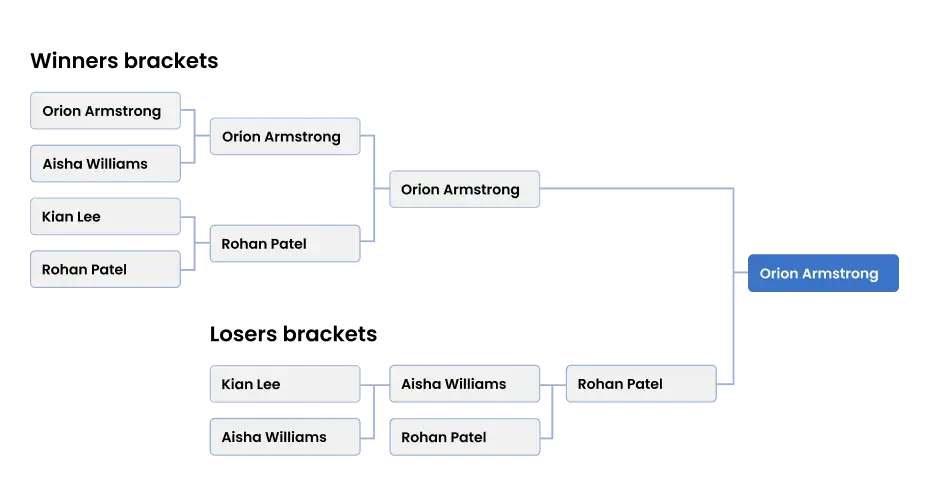
Compared to double-elimination brackets, single-elimination trades fairness for efficiency. While double-elimination gives every competitor at least two matches and a chance to recover from one loss, it requires significantly more games and time. A 16-team double-elimination tournament needs up to 30 matches compared to just 15 for single-elimination. For organizers prioritizing speed and simplicity, single-elimination is the clear choice; for those seeking more comprehensive competition assessment, double-elimination or round-robin formats may be preferable.
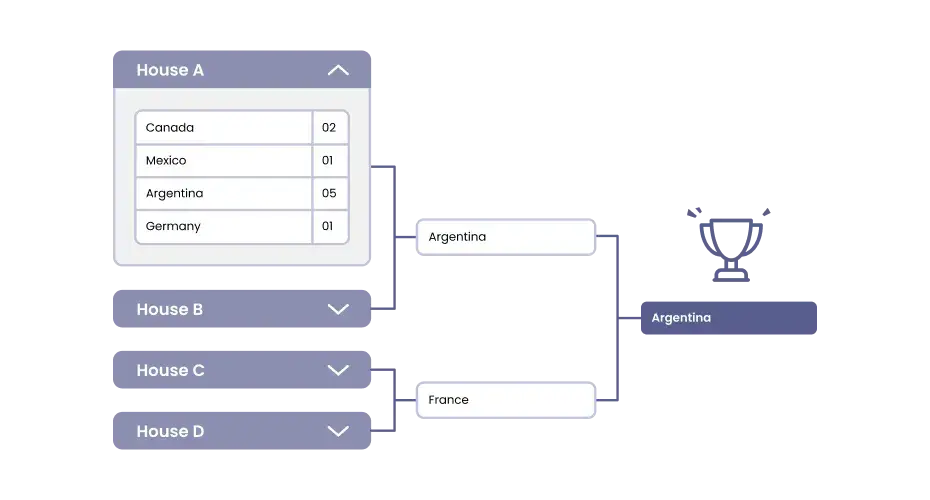
The single-elimination format dominates major sporting events worldwide. March Madness, the NCAA Division I Men's Basketball Tournament, uses a 68-team single-elimination bracket that captivates millions annually. The FIFA World Cup employs single-elimination for its knockout rounds after group stage play. Tennis Grand Slams, the NFL playoffs, and countless regional and amateur tournaments all rely on this time-tested format because it creates the perfect balance of efficiency, excitement, and clear championship determination.
Strategic Considerations for Organizers
Venue scheduling becomes remarkably straightforward with single-elimination brackets. Since you can predict the exact number of matches at each round, you can secure facilities efficiently. Early rounds might use multiple courts or fields simultaneously, while later rounds consolidate to feature venues. Using a bracket generator helps visualize these scheduling needs and identify potential conflicts before they arise.
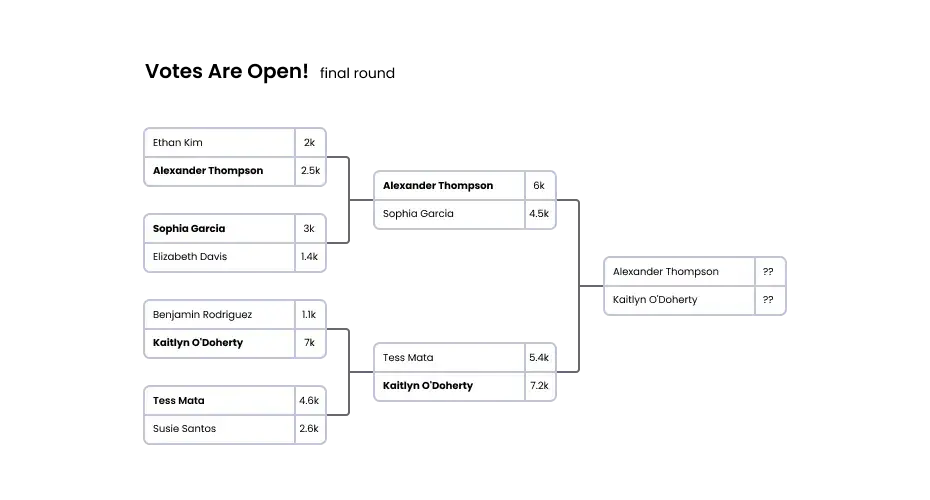
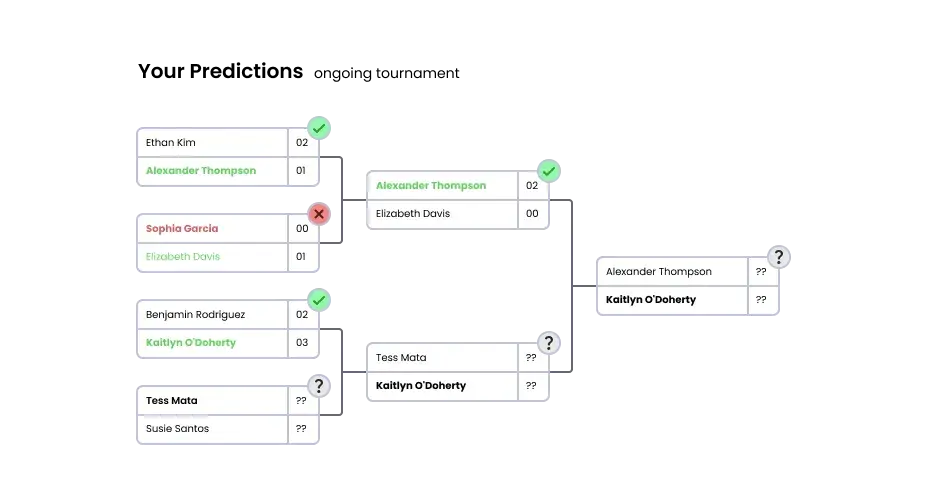
Technology has transformed single-elimination tournament management. Digital brackets update in real-time, automatically advancing winners and maintaining live standings. Online bracket tools allow participants to check their next match time and location instantly, while spectators can follow tournament progress from anywhere. When creating brackets for informal competitions, downloadable printable brackets remain popular for their simplicity and the tactile satisfaction of manually filling in results.