Understanding March Madness Bracket Structure
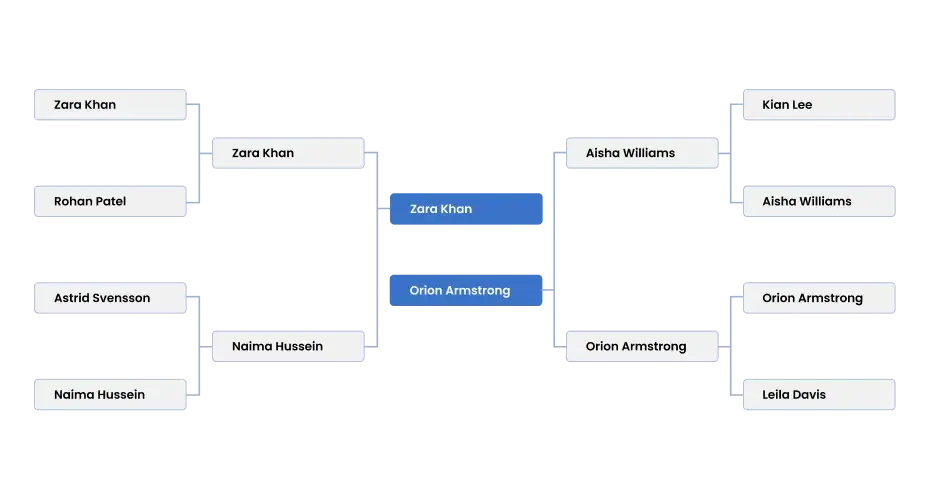
The NCAA tournament bracket follows a precise mathematical structure designed to create competitive balance and dramatic progression. Each of the four regions contains 16 teams seeded 1 through 16, with matchups determined by seed pairings: 1 vs 16, 2 vs 15, 3 vs 14, 4 vs 13, 5 vs 12, 6 vs 11, 7 vs 10, and 8 vs 9. This seeding system ensures that in a "chalk" bracket where all favorites win, the top four seeds would meet in the regional semifinals (Sweet Sixteen), and the top two seeds would face off in the regional final (Elite Eight).
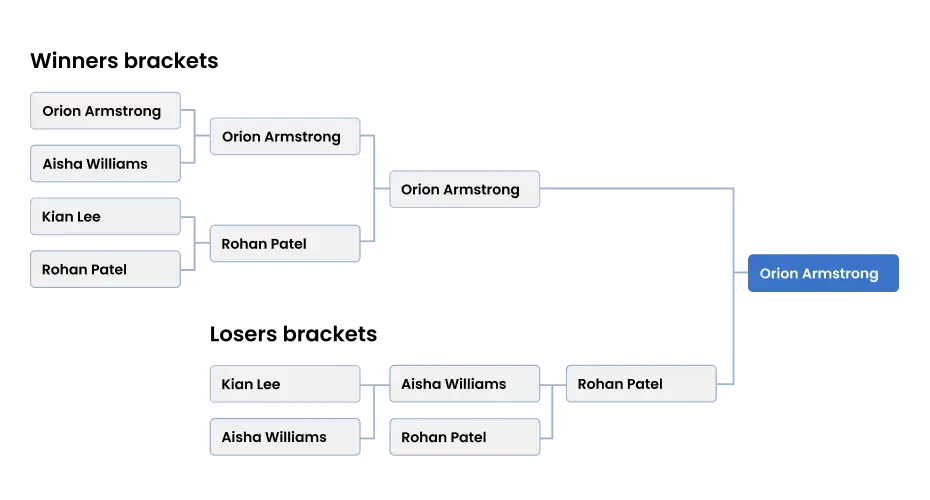
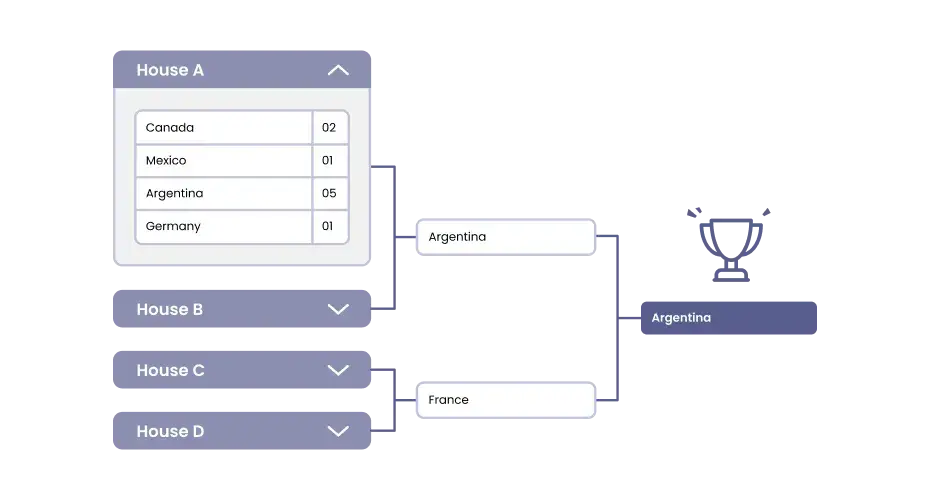
The tournament progresses through six rounds with increasingly prestigious names. The First Four play-in games determine the final bracket positions. The First Round (often called the Round of 64 despite technically being 68 teams) begins the main tournament. The Second Round narrows to 32 teams. The regional semifinals, known as the Sweet Sixteen, showcase 16 remaining teams. The regional finals, or Elite Eight, determine the four regional champions who advance to the Final Four. Finally, the National Semifinals and National Championship determine the ultimate winner.
Understanding bracket geography is essential when creating a March Madness bracket for your pool. The four regions are separated so teams can only meet opponents from different regions starting at the Final Four. This structure prevents conference rivals from meeting too early and ensures geographic diversity in later rounds. The bracket's physical layout places the East and Midwest regions on the top half, while South and West occupy the bottom, with Final Four matchups pitting top versus bottom brackets.
Bracket Selection and Seeding Philosophy
The NCAA Selection Committee faces the monumental task of choosing and seeding 68 teams from over 350 Division I programs. Automatic bids go to all conference tournament champions (32 teams), while the remaining 36 at-large bids are awarded based on regular season performance, strength of schedule, quality wins, and other metrics. The committee uses tools like the NET (NCAA Evaluation Tool) rankings, but ultimately relies on subjective judgment when comparing teams with similar resumes.
Seeding controversies erupt annually as teams on the bubble argue they deserved inclusion or higher placement. The difference between a 10 seed and 11 seed might seem minor, but it can mean facing a 6 seed versus a 7 seed in round two, potentially altering tournament trajectory. First Four assignments particularly sting; being one of the last teams selected means playing an extra game just to reach the main bracket. Selection Sunday, when the bracket is revealed, generates intense media coverage and debate precisely because these seeding decisions carry such weight.
The protected seed principle guides bracket construction. The committee avoids placing teams from the same conference in positions where they'd meet before the regional finals when possible. However, with major conferences sending multiple teams, this becomes challenging. Geographic considerations also influence placement, with teams ideally sent to nearby regional sites for early rounds. When using a printable NCAA bracket template, understanding these selection principles helps you make more informed predictions about potential matchups.
Winning Bracket Strategy and Common Mistakes
Successful March Madness bracket strategy requires balancing statistical analysis with acceptance of inevitable chaos. Historical data shows that 12 seeds defeat 5 seeds roughly 35-40% of the time, making these attractive upset picks. Similarly, at least one double-digit seed typically reaches the Sweet Sixteen each year. However, picking too many upsets usually backfires because even though upsets happen, predicting which specific games they'll occur in is extraordinarily difficult.
The seeding sweet spot philosophy suggests focusing upset picks on specific seed matchups with historical upset frequency. The 5/12 and 6/11 games are classic upset opportunities. The 8/9 matchup is essentially a coin flip since these teams are evenly matched. Meanwhile, 1 seeds have only lost to 16 seeds twice in tournament history (2018 and 2023), making these relatively safe picks despite the allure of predicting a historic upset.
Common bracket-busting mistakes include overvaluing recent performance (recency bias), ignoring strength of schedule when comparing similar records, picking too many lower seeds to advance deep based on one strong game, choosing Final Four teams based on name recognition rather than current roster strength, and failing to consider rest advantages or injury reports available before the tournament. The most successful bracket strategists combine statistical modeling with expert analysis while accepting that some randomness is unavoidable.
Bracket Pool Formats and Scoring Systems
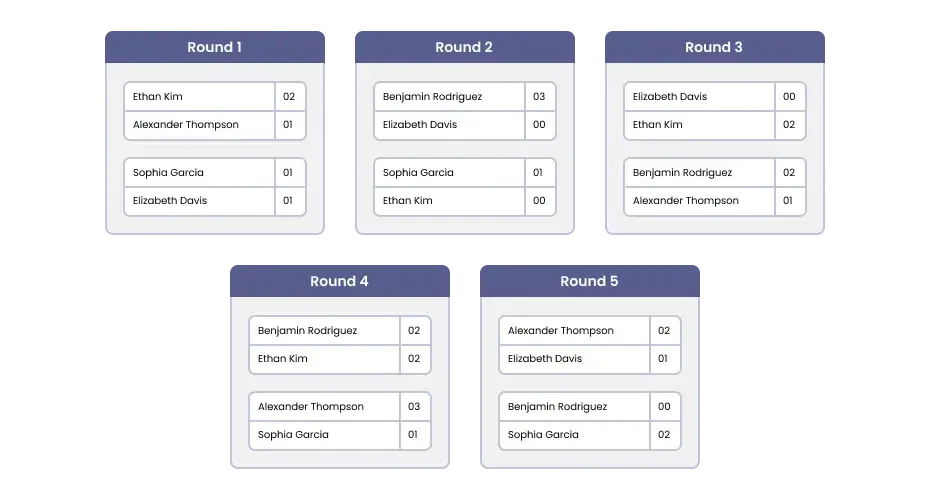
Traditional bracket pools award points for correct picks, with point values increasing each round to reward accuracy in later games when fewer participants remain correct. The standard scoring system gives 1 point for first-round games, 2 for second round, 4 for Sweet Sixteen, 8 for Elite Eight, 16 for Final Four, and 32 for the championship. This exponential structure means getting the championship game right matters enormously, which can keep pools competitive even when early rounds go poorly.
Alternative scoring systems create different strategic dynamics. Some pools award upset bonuses, giving extra points for correctly picking lower seeds to win. Others use confidence pools where you assign point values to each game, forcing you to rank your conviction in each pick. Survivor pools eliminate participants after a certain number of incorrect picks. Round-by-round pools allow you to update predictions after each round concludes, removing the all-or-nothing pressure of a single bracket submission.
When organizing your own March Madness pool using a bracket generator, clearly communicate your scoring system before brackets are submitted. The scoring method significantly influences optimal strategy. In standard scoring, you might pick a safe Final Four to secure late-round points. In upset bonus scoring, you'd identify calculated risks on lower seeds. For confidence pools, you'd need to identify which games you feel most certain about regardless of seed.
The Perfect Bracket Quest
The mathematical improbability of a perfect March Madness bracket captures public imagination annually. If you simply flipped a coin for all 63 games, your odds would be 1 in 9.2 quintillion (9,223,372,036,854,775,808). Even with basketball knowledge improving your odds, mathematicians estimate the probability of a perfect bracket at somewhere between 1 in 120 billion and 1 in 2.4 trillion depending on expertise level. To put this in perspective, you're more likely to win the Powerball jackpot multiple times.
The closest documented approaches to perfection have reached the Sweet Sixteen before busting. In 2019, an Ohio man correctly predicted the first 49 games before his bracket broke. These rare occurrences generate national media attention because they represent both extraordinary luck and impressive basketball analysis. They also demonstrate that getting deep into a tournament requires not just picking the right winners, but having those winners align perfectly with your specific bracket path.
The perfect bracket impossibility creates an interesting philosophical question for bracket enthusiasts: should you even try? Mathematically, no one will achieve it. Strategically, pursuing perfection with all top seeds typically loses bracket pools because others will have picked the inevitable upsets that you missed. The optimal approach balances safe picks in key matchups with calculated upset predictions, accepting that perfection is unattainable but competitive success is achievable.
Technology and Modern Bracket Culture
Digital bracket platforms have revolutionized March Madness participation. Major sports networks and websites host millions of brackets annually, providing instant scoring updates, live leaderboards, and social sharing features. These platforms democratized bracket pools, allowing anyone to compete nationally rather than just within their office or friend group. Auto-fill features can generate brackets based on various strategies (all favorites, all upsets, random), though these typically perform poorly compared to thoughtful manual selections.
Social media transformed bracket culture from private office pools into public discourse. Twitter erupts during games with real-time bracket updates, upset celebrations, and commiseration over busted brackets. Streaming services ensure fans can watch every game live regardless of television schedules. Fantasy sports principles have merged with brackets through player-based competitions where you draft individual college players rather than picking team outcomes.
Despite technological advances, traditional printable brackets remain popular for office environments, watch parties, and educational settings. There's something tangibly satisfying about filling out a physical bracket with a pen, posting it on an office wall, and manually tracking results. This tactile experience connects modern participants to decades of March Madness tradition, when brackets were exclusively paper-based and scoring required manual calculation.